At TecnetOne, we closely follow how artificial intelligence (AI) is redefining the cybersecurity landscape. It’s not just transforming how we work or communicate—it’s also changing the rules of the game for cyberattacks. Since generative AI took off in mid-2022, phishing attacks have surged by 1,200% globally, according to McKinsey. But the most alarming part isn’t just the volume—it’s their effectiveness.
Cyberattacks are now more convincing, more personalized, and often nearly impossible to distinguish from legitimate communication. Nearly two out of three IT and security professionals admit to having fallen for a phishing attempt. Moreover, recent reports show that AI-powered spear phishing has a 47% success rate—even against highly trained personnel.
And it’s not just about phishing. AI is also powering other threats like BEC (business email compromise) and ransomware. In fact, BEC has now surpassed ransomware as the top concern for security leaders. With losses exceeding $2.77 billion from BEC in 2024 alone, understanding how AI enhances these threats is key to protecting your business.
What Is AI-Powered Phishing?
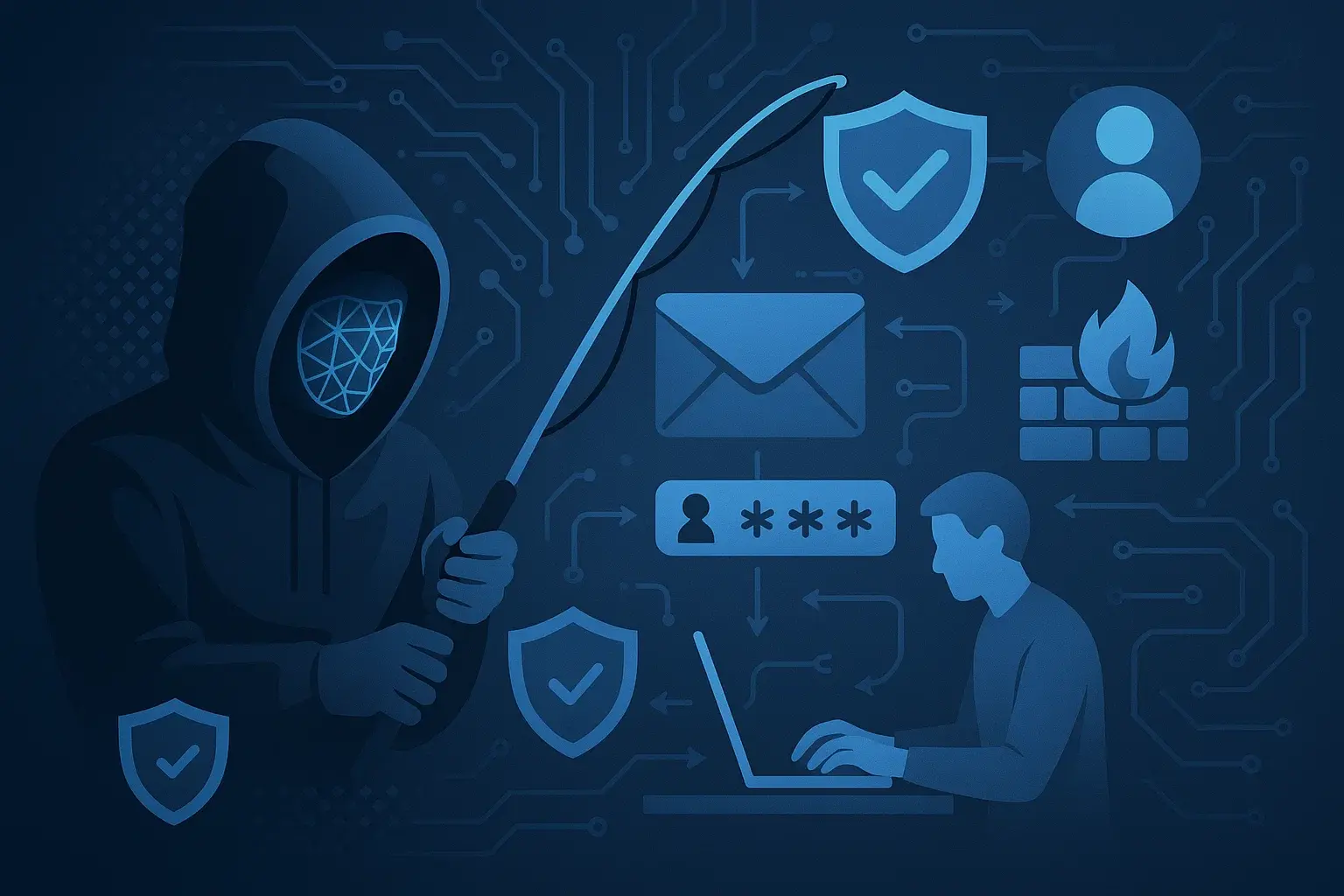
Artificial intelligence is changing many things—including how cyberattacks land in your inbox. Instead of the classic emails full of spelling errors and shady promises, we’re now seeing well-written, personalized messages that are so convincing they could fool anyone. The reason? AI.
Today, attackers are using advanced language models (the kind that generate realistic text or images) to craft more effective phishing campaigns that adapt to users and scale easily. This means we’re no longer dealing with generic attacks, but with tailored messages—flawless in grammar and capable of interacting in real-time.
How Does This New Type of Phishing Work?
AI-powered phishing isn’t magic—but it’s close. Behind it is a well-structured process that leverages technology to attack more efficiently. Here’s how it works step by step:
-
Gathering Public Data: Cybercriminals collect information about their targets via social media, corporate websites, or LinkedIn. This data is fed into AI models to create detailed profiles of each person.
-
Automated Message Generation: With these profiles, AI generates fake emails, messages, or notifications that mimic the communication style of colleagues, bosses, or partners—making them much harder to detect.
-
Adaptive Conversations: Thanks to AI, attackers can carry on real interactions with the victim, adjusting tone and content based on the responses they receive—greatly increasing the chances of success.
-
Credential Theft or Malware Execution: Once the user clicks, they might be redirected to a fake site or download software designed to steal data—often also created with AI.
What Does This Look Like in Real Life?
A recent case showed how an apparently harmless SVG file actually contained AI-generated malicious code. The file came in an email posing as a file-sharing notification—and it was so convincing it would’ve easily bypassed traditional filters.
The structure and sophistication of the code led analysts to believe it was created by an advanced language model. Even the sender and recipient addresses were designed to avoid automatic detection. Fortunately, some AI-based security solutions managed to block the attack before any damage was done.
Examples like this remind us of one important reality: AI isn’t just on the attackers’ side. It’s on ours too—if we know how to use it.
How to Defend Against AI-Powered Phishing
The old rules are no longer enough. Today, we need a more dynamic security strategy that combines technology with training. Here are some best practices we recommend at TecnetOne:
1. Realistic, Ongoing Training
Keep your team’s training up to date with AI-generated phishing simulations. This helps staff recognize more subtle patterns and avoid falling for well-crafted traps.
2. Behavior-Based Detection
Use tools that analyze how your users normally communicate. If something feels “off” (such as an unusual request or a change in email tone), it should trigger an alert.
3. Verification Protocols for Critical Actions
For transfers, access requests, or major operational changes, implement an extra verification step. Ideally, validate in person or through secure internal channels—especially if the message feels “urgent.”
4. Stronger Authentication
Use MFA with phishing-resistant methods like physical security keys (FIDO2) or biometric authentication. This greatly reduces risk, even if credentials are compromised.
5. Endpoint Monitoring and Malware Detection
Many of these attacks end with malware designed to steal credentials. That’s why 24/7 device monitoring, real-time threat detection, and fast-response tools are essential.
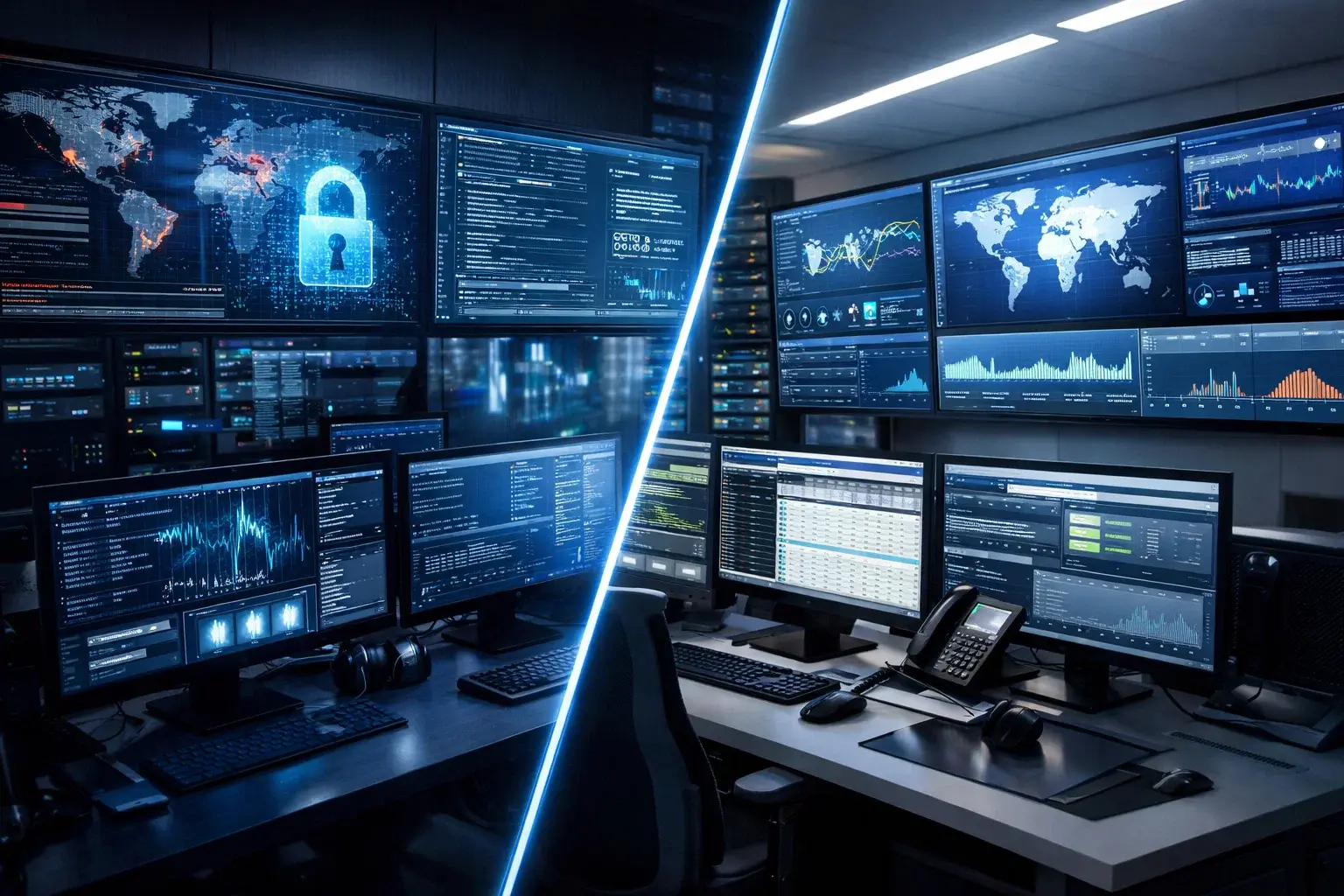
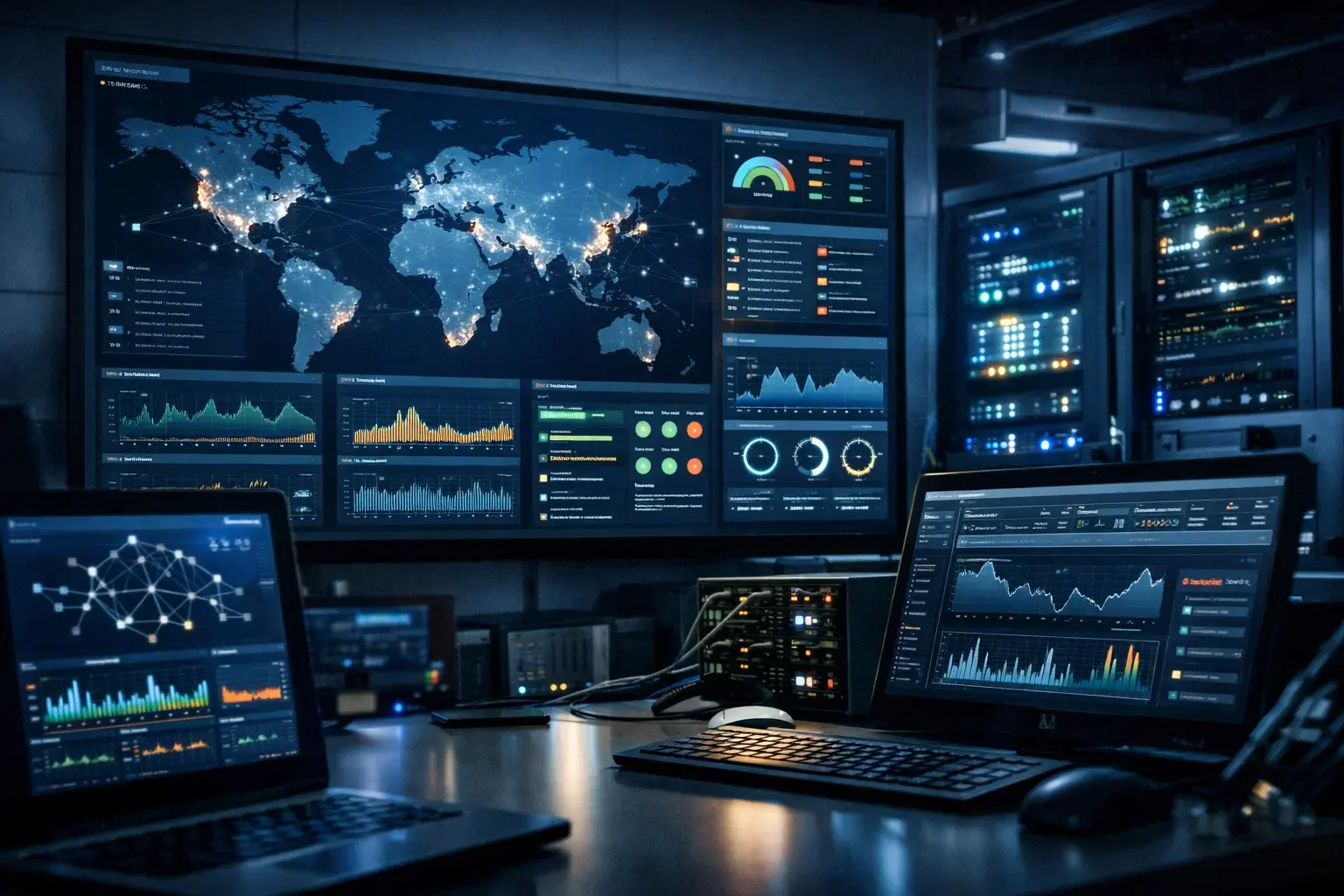
At this point, a 24/7 Security Operations Center (SOC) becomes critical. It not only detects and analyzes events in real time but also coordinates immediate responses to incidents—minimizing both impact and risk for your organization.
Read more: How to Turn AI Into a Strategic Ally—Not a Security Risk
What Is AI-Powered Business Email Compromise (BEC)?
Business Email Compromise (BEC) attacks are nothing new. What is new is how generative AI (GenAI) is taking them to the next level. Today, cybercriminals can impersonate executives, vendors, or partners with near-perfect accuracy using tools that replicate writing styles, voice patterns, and even internal project details.
BEC has always relied on exploiting trust and respect for authority. The difference now is that AI allows attackers to personalize and scale these attacks like never before—mimicking emails, project names, and even the unique communication quirks of the people being impersonated.
How Does an AI-Powered BEC Attack Work?
This type of attack usually targets key individuals within a company, especially in departments like finance or HR. The goal: to get them to transfer funds or change banking information, believing the request comes directly from a superior. The process is far more sophisticated than in the past:
1. Information Gathering
Attackers analyze executive profiles, record voices from public meetings, and study the company’s internal structure. They may also use leaked credentials from the dark web to gain access to real accounts and build legitimacy from the inside.
2. Style Imitation and Voice Cloning
AI is trained on past emails and public recordings to precisely replicate how a senior executive communicates—their tone, common phrases, punctuation, and even typical expressions.
3. AI-Generated Initial Email
With all this information, attackers generate a hyper-realistic email that often references real ongoing company topics—payments, audits, active projects, etc. Everything looks legitimate.
4. Looped Persuasive Reinforcements
If the recipient hesitates, the attackers have a backup plan. They might send a follow-up email—or even use deepfake voice or video to “confirm” the request. Yes, as if the CFO were talking to you via video call.
5. Funds Transfer
In most cases, the final goal is a fraudulent wire transfer—often disguised as a routine vendor payment or an urgent request from upper management.
What Does This Look Like in Real Life?
In 2024, a UK-based engineering company fell victim to a BEC attack that shows just how far this threat has evolved. A finance executive received an email that appeared to come from the CFO. The message was clear, well-written, and referenced a real ongoing project. The employee, properly trained, requested verbal confirmation.
But the attackers were ready. They used deepfake technology to clone the executive’s voice and set up a fake virtual meeting to “confirm” the request. The result: an unauthorized $25 million transfer.
This wasn’t a technical failure—it was emotional manipulation, powered by AI.
How to Protect Against AI-Powered Business Email Compromise (BEC)
The good news is that just as AI can enhance attacks, it can also strengthen your defenses. But for it to be effective, your strategy must be comprehensive: clear processes, proactive technology, and well-trained users.
- Build Robust Approval Processes: Never authorize large transfers or account changes without review by multiple people and a minimum waiting period before execution.
- Use AI to Detect Anomalies:The same technologies used by attackers can help you detect suspicious patterns: unusual writing styles, atypical financial flows, or messages that deviate from a user’s normal behavior.
- Always Verify Through Internal Channels: Don’t respond directly to requests that come via email, even if they seem legitimate. Always confirm through secure channels—direct phone calls, encrypted internal messaging, or in-person verification.
- Training That Reflects Reality: Update your awareness training with real-world AI-generated attack examples, including voice and video deepfakes. Theory isn’t enough anymore—training must reflect today’s threats.
- Establish Rapid Response Protocols: If something goes wrong, every second matters. Set up procedures to stop unauthorized transfers in time and activate your incident response team immediately.
Read more: Incident Response in Cybersecurity: What It Is and Why It Matters
A Step Ahead with a 24/7 SOC
As cyberattacks evolve, your response must evolve too. That’s why having a 24/7 Security Operations Center (SOC) is a must for any business.
At TecnetOne, we understand this clearly: you need a team that combines advanced technology with real-time human analysis. A well-structured SOC doesn’t just detect threats—it takes immediate action and, most importantly, prevents attacks before they happen. It’s not about reacting. It’s about staying one step ahead.
Conclusion
AI-powered Business Email Compromise is no longer a future threat—it’s already here. And it doesn’t matter the size or industry of your business: everyone is a potential target.
This isn’t about fear—it’s about being prepared. Today, cybersecurity is more than firewalls and strong passwords. It’s about strategy, smart processes, and people trained to act at the right moment.
At TecnetOne, we work with businesses that want to take control and protect what they’ve built. Artificial intelligence can be on the attacker’s side—or yours.
Want to be ready before something happens? Let’s talk. At TecnetOne, we help you stay ahead and strengthen your defenses with an AI-powered 24/7 SOC.