 You’ve Been Blocking Spam Calls Wrong: Here’s What Actually Works" loading="eager">
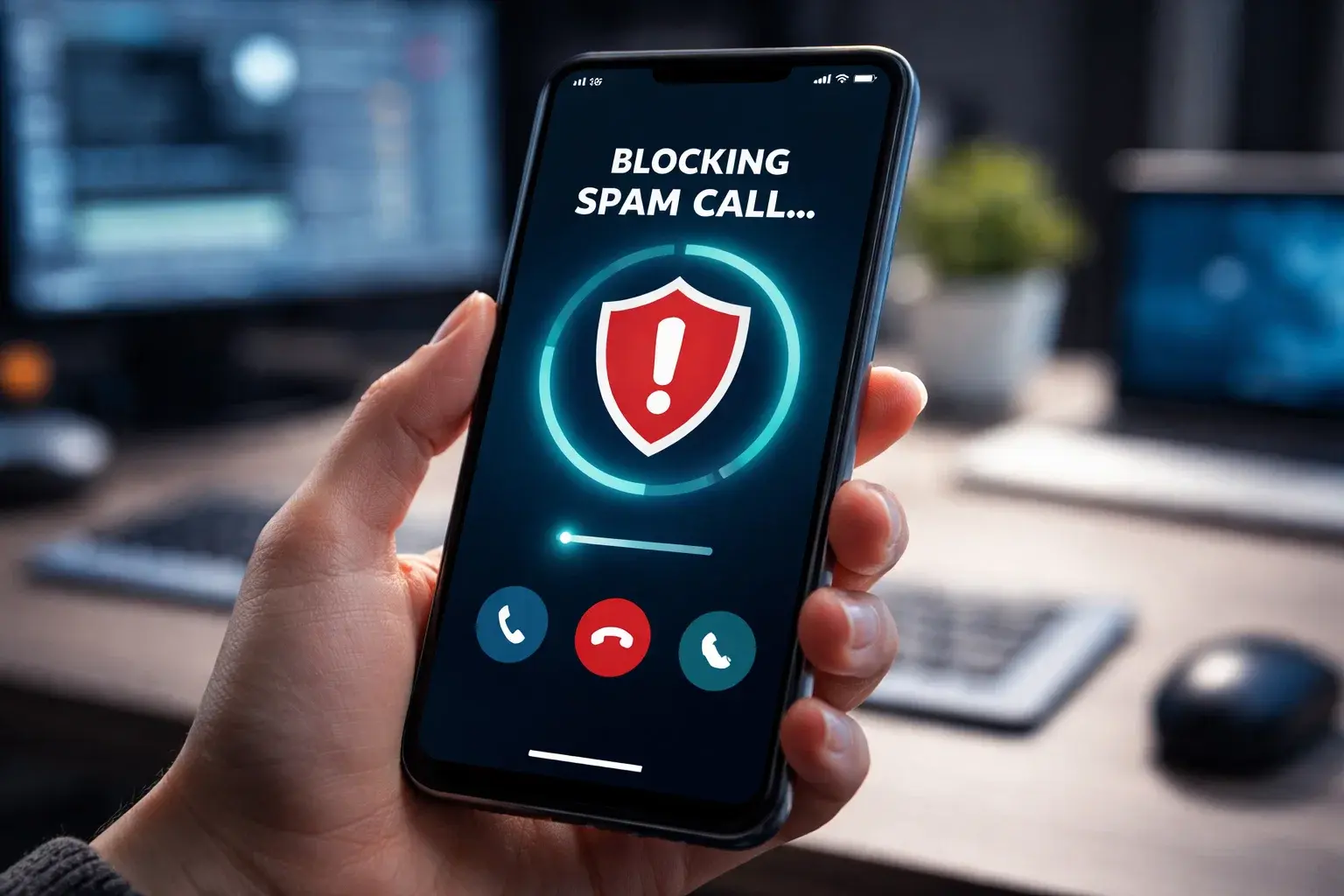
If there’s one thing that unites almost all mobile users today, it’s this: spam calls. It doesn’t matter the time, day, or country—you see a weird number, and almost instinctively, you hit reject. Problem solved… right?
Not quite.
According to Nona, a specialist in AI and automated system analysis, that common reflex may actually be working against you. At TecnetOne, we’ll explain why you've been blocking spam incorrectly and what actually helps reduce these calls.
The Big Mistake: Rejecting a Call Doesn’t Protect You
Your reaction makes sense: you don’t want to waste your time with unknown numbers. But Nona explains that rejecting a call isn’t the same as ignoring it.
Spam bots and automated dialers track everything:
- Whether you answer
- Whether you hang up
- If you tap “reject
- If you call back
From their perspective, any interaction is a good sign—it tells them:
- Your number exists
- It’s active
- A real person is behind it
And to a spammer, that’s pure gold.
How Robocall Systems Really Work
Most spam calls today don’t come from people—they’re triggered by automated software that:
- Calls thousands of numbers daily
- Tracks user behavior
- Sorts numbers by their "value"
If you reject a call, the system interprets that as proof the number is in use and monitored. That makes your number more valuable for resale, reuse, or targeting in future campaigns.
The more interaction, the more profitable you are.
Learn more: Fake Chrome Extensions Hijack WhatsApp Web to Send Mass Spam
Why Spammers Have Your Number in the First Place
Your number doesn’t land in spam databases by accident. It usually gets there through:
- Signing up for an online service
- Accepting terms you didn’t read
- Being exposed in a data breach
- A company sharing or selling contact lists
Once you’re in, your number can pass through dozens of hands—and every time you engage, its market value goes up.
The Golden Rule: Less Interaction, Fewer Calls
Nona puts it simply: the less you engage, the less appealing your number becomes.
That means:
- Don’t answer
- Don’t reject
- Don’t call back
- Don’t press buttons to “unsubscribe”
As counterintuitive as it sounds, the best move is to let the call ring out or silently ignore it.
First Line of Defense: What Actually Works
Tired of spam calls? Here’s what does work:
Do this:
- Enable your phone’s native spam filters
- Turn on auto-block for suspicious calls
- Use reputable spam call blocker apps
- Block numbers after the call ends
Don’t do this:
- Don’t call back unknown numbers
- Don’t press buttons to opt out
- Don’t interact during the call
This won’t eliminate spam 100%, but it’ll cut the frequency significantly.
Second Strategy: The Long-Term Fix
This one takes time but addresses the root of the problem:
- Withdraw marketing consent when possible
- Register with national do-not-call lists
- File complaints with data protection agencies
- Review which services have your number
It won’t work overnight, but it helps cleanse your digital footprint.
According to Nona, combining both strategies is the only truly effective long-term solution.
Why Rejecting a Call Makes You a “VIP Number”
Here’s the twist: spam systems aren’t looking for polite people—they’re looking for confirmed numbers.
They don’t care if you’re annoyed, hang up fast, or reject the call. What they want is one thing:
"Is this number real and active?"
And every signal you give them confirms it. That’s why, paradoxically, rejecting spam calls makes you more valuable.
About Those Dutch and Polish Calls: Watch Out for Wangiri
Have you seen missed calls from numbers starting with +31 (Netherlands) or +48 (Poland) recently? You’re not alone—and it’s not random.
This is likely part of the Wangiri scam, a well-known trick.
How Wangiri Works:
- A bot calls you
- It rings once
- It hangs up before you answer
- You see a missed call
- You call back out of curiosity
Then:
- You dial a premium-rate number
- You connect to a spam bot
- You trigger future scam campaigns
It’s not about the initial call—it’s about getting you to call back.
They’re Not Really Calling From Those Countries
Scammers rent international numbers because:
- They look legitimate
- They stand out
- They make you curious
There’s no person waiting—just a trap designed to make you call back and generate revenue.
Similar titles: SpamGPT: The New AI-Powered Phishing Threat
What to Do If You Receive a Suspicious International Call
At TecnetOne, we recommend:
- Never call the number back
- Block it after the call ends
- Don’t Google the number impulsively
- Enable filters for international calls
And most importantly: don’t interact at all.
What If You’ve Interacted Before?
No worries, you’re not doomed. Just:
- Change your behavior going forward
- Eliminate interaction from now on
- Strengthen call filters and spam blocking
With time, your number will lose value in these spam networks.
Conclusion: Silence Is Your Best Defense
As strange as it sounds, rejecting a spam call can be worse than ignoring it.
Automated systems rely on your reactions—and every gesture counts.
The best strategy isn’t to fight spam. It’s to not feed the system:
- Don’t answer
- Don’t reject
- Don’t call back
- Don’t press buttons
At TecnetOne, we emphasize that cybersecurity starts with small habits. Sometimes, the smartest move is to make no move at all.
Let the call die silently. Your number—and your peace of mind—will thank you.