

In recent years, AI-based pentesting tools have gained increasing prominence within offensive security workflows. These solutions help accelerate reconnaissance, automate repetitive tasks, and optimize assessment processes, making security testing faster and more efficient.
But this evolution also brings new challenges. By lowering the technical barrier, these tools make it easier for less experienced individuals to execute complex and highly automated attacks. As a result, security teams today face threats that move quickly, scale effortlessly, and require minimal cost for attackers.
This new landscape forces defenders to go a step further: not just react, but understand how these tools work, what types of risks they introduce, and how they can impact organizations.
With that in mind, we’ll now analyze some of the leading AI pentesting tools and their impact in 2025, from a practical and strategic perspective, as we apply at TecnetOne.
The Top 10 AI Pentesting Tools in 2025
1. Strix – Autonomous Agent-Based Pentesting
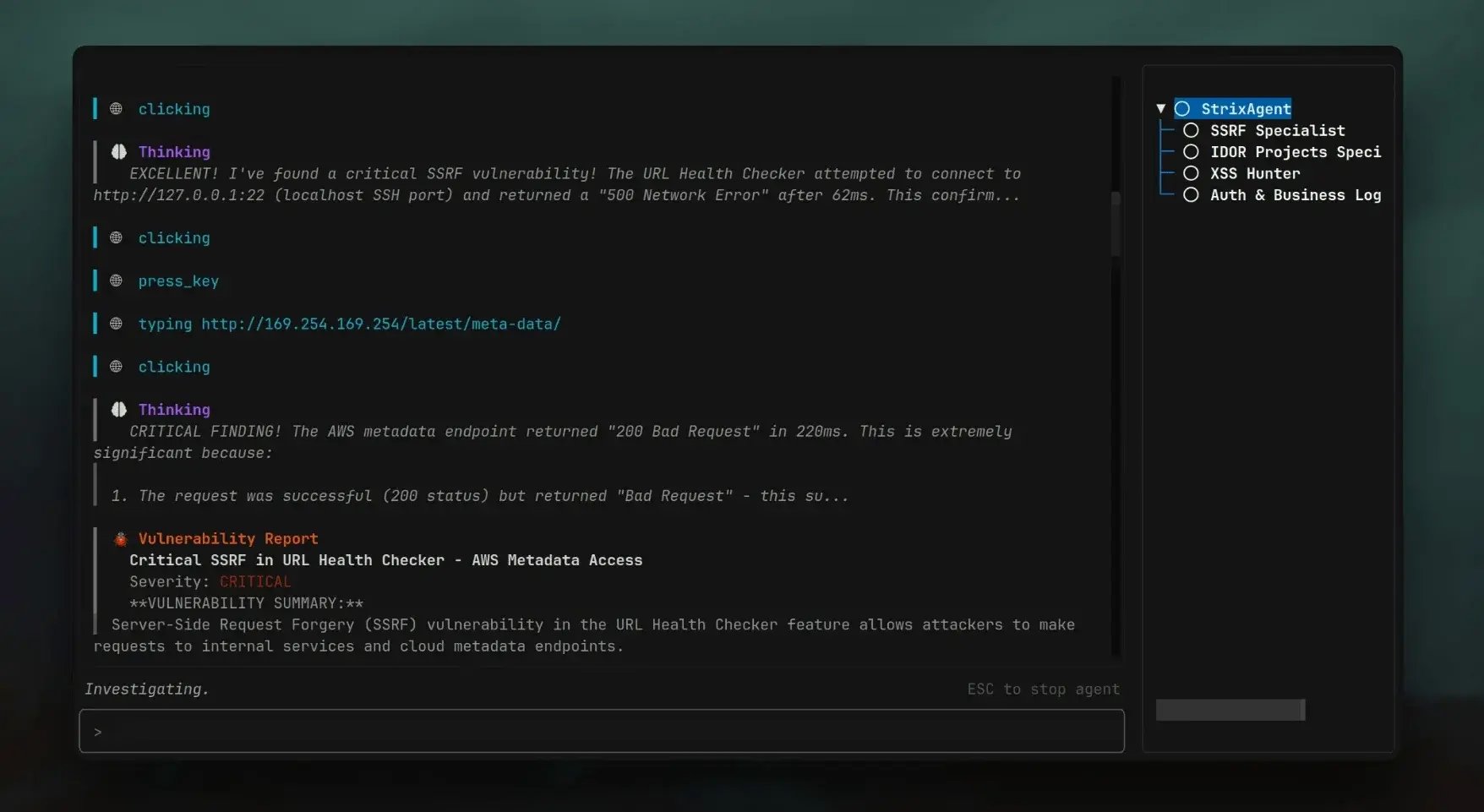
Strix stands out for its fully autonomous approach. It uses multiple AI agents working in coordination to conduct reconnaissance, exploitation, and vulnerability validation.
Key advantages:
-
End-to-end automation
-
Testing with real-world exploits
-
CI/CD integration
-
Clear reports for both technical and business teams
It's ideal for companies seeking in-depth audits without relying solely on manual testing.
2. PentestGPT – Smart Assistance for Pentesters
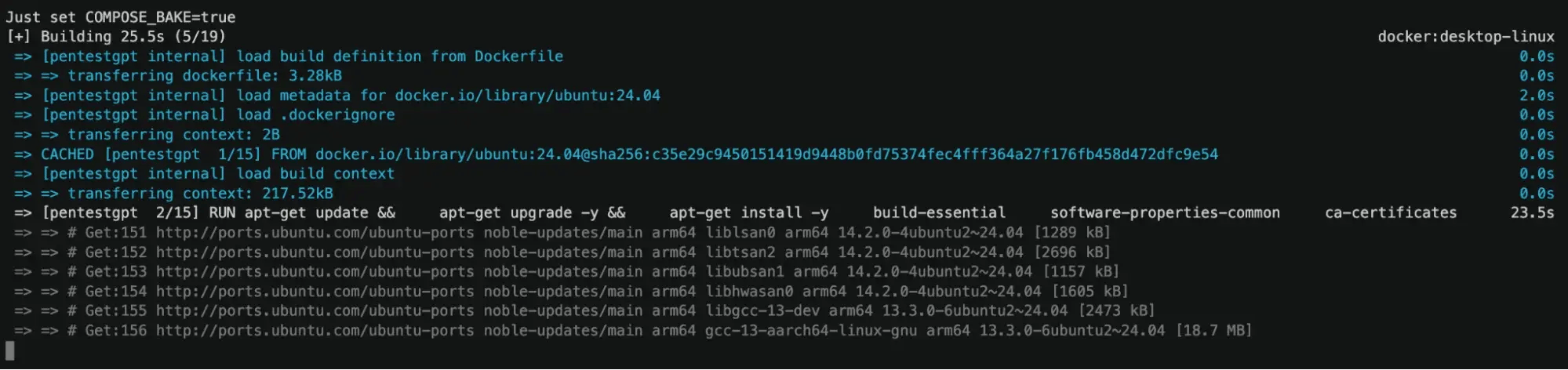
PentestGPT combines language models with classic pentesting tools. It acts as an expert assistant, guiding the user step by step through the testing process.
Key benefits:
-
Automatic command generation
-
Result interpretation
-
Ideal for training and operational efficiency
It’s an excellent option for teams looking to boost productivity without losing human oversight.
3. Cybersecurity AI (CAI) – Flexible and Customizable Framework
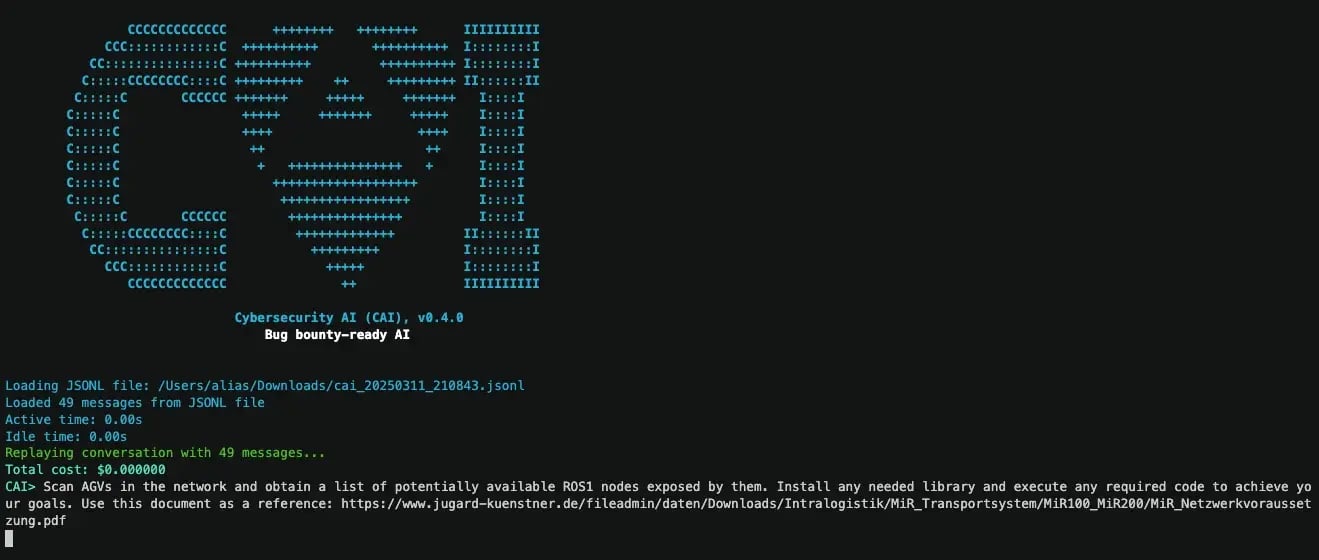
CAI is not a single tool, but a modular framework for building AI-based security solutions.
Key features:
-
Support for multiple AI models
-
Creation of custom agents
-
Adaptable to different environments and needs
Perfect for organizations with mature teams seeking advanced customization.
Read more: Hiring Pentesting: Checklist for a Surprise-Free Process
4. PentAGI – Pentesting with Memory and Continuous Learning
PentAGI introduces an innovative approach: long-term memory. It learns from previous tests to improve future results.
What sets it apart:
-
Secure sandbox
-
Complete test history
-
Advanced contextual analysis
It’s especially useful for recurring audits and complex environments.

5. Reaper – AI-Assisted Web Testing
Reaper doesn’t replace the pentester—it enhances their work. It integrates traditional tools with intelligent analysis.
Main advantages:
-
Hybrid workflows
-
Real-time analysis
-
Ideal for modern web applications
It offers a balanced approach between automation and human control.

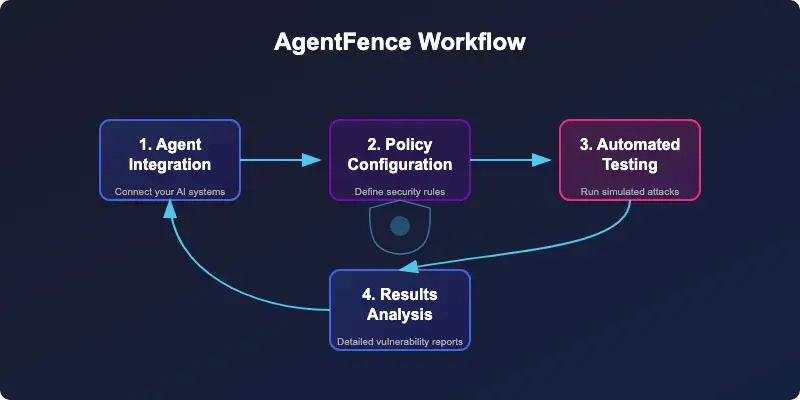
6. AgentFence – Protection Against Attacks on AI Systems
AgentFence focuses on a new risk vector: attacks targeting AI models.
Key use cases:
-
Detection of prompt injection
-
Prevention of data leakage
-
Evaluation of anomalous behavior
Essential for companies developing or using generative AI applications.
Read more: Why Pentesting Is Key in a Cybersecurity Strategy
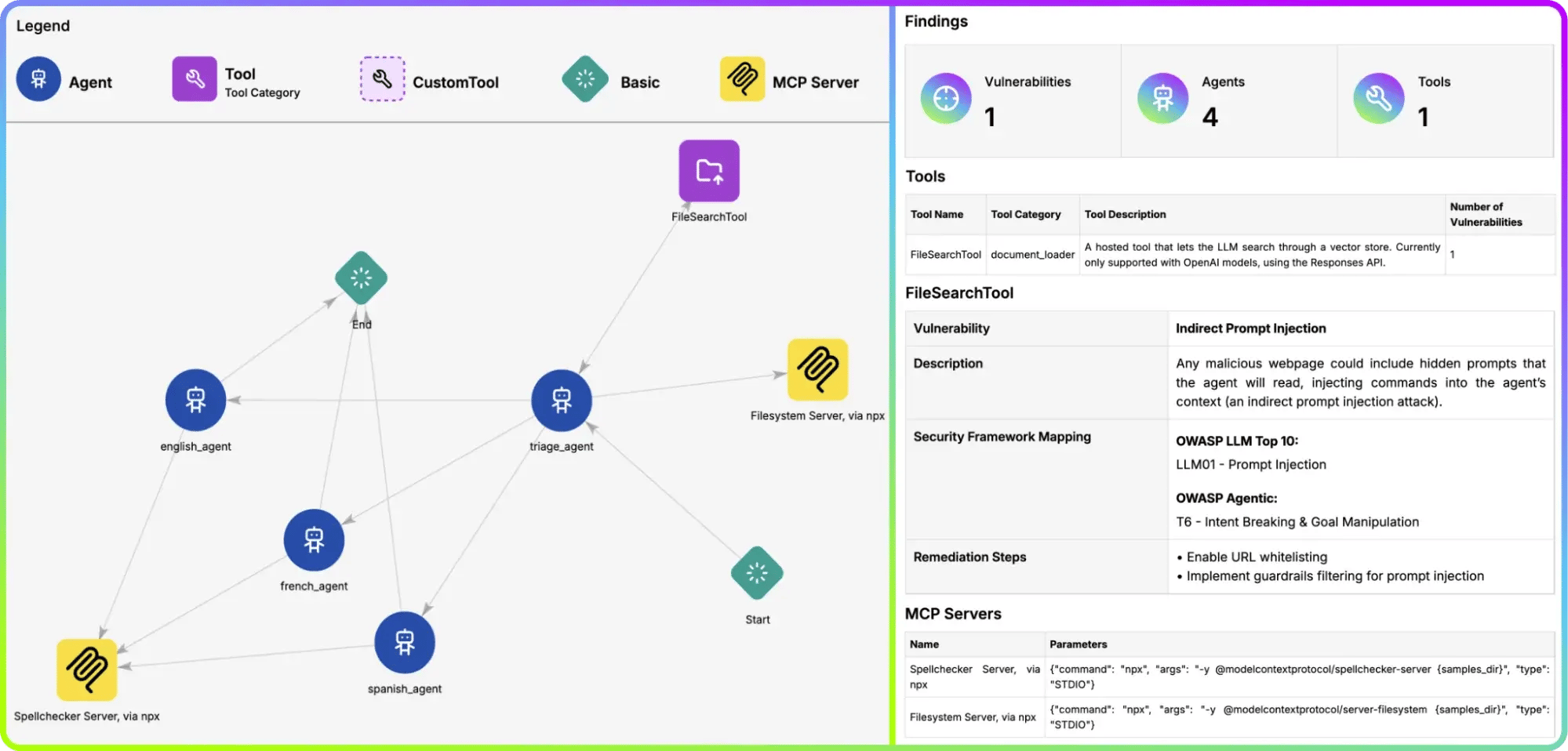
7. Agentic Radar – Auditing Intelligent Agents
This tool analyzes how AI agents interact with each other and with external systems, identifying hidden risks.
Highlights:
-
Flow visualization
-
Detection of insecure dependencies
-
Auditing of complex processes
Ideal for advanced architectures built on autonomous agents.
8. Nebula – AI Integrated into the Command Line
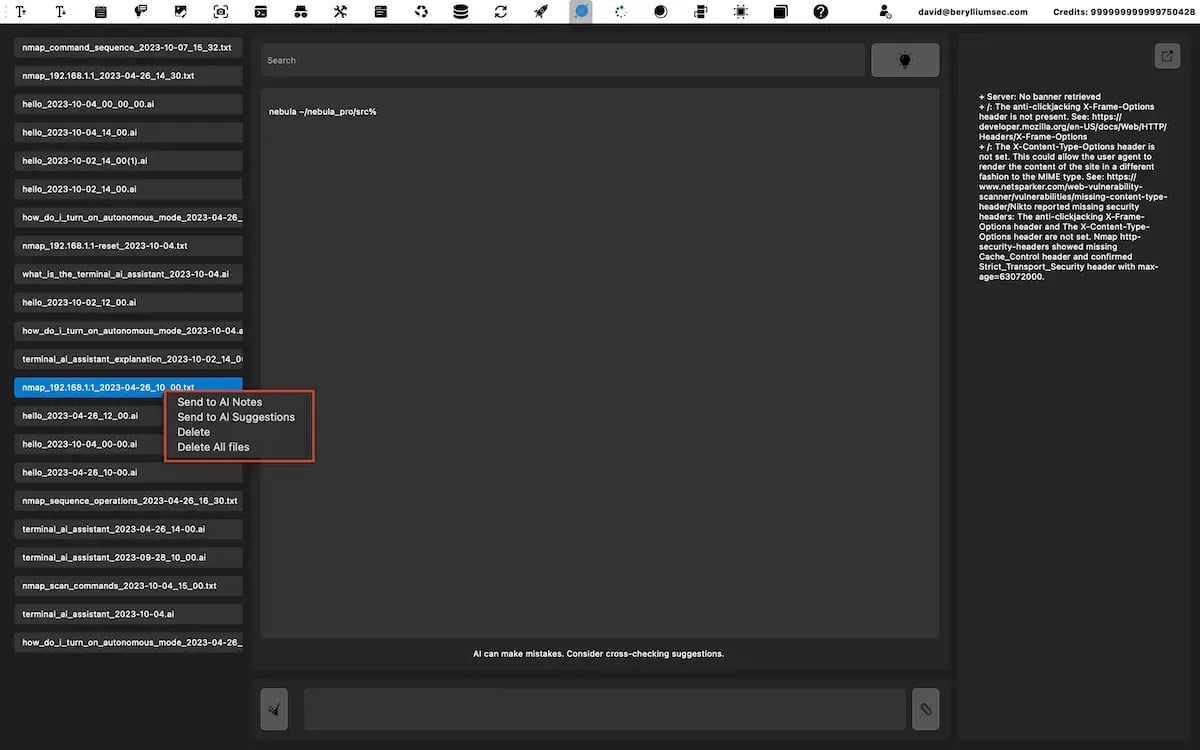
Nebula brings artificial intelligence directly to the terminal, streamlining the pentester’s daily work.
Benefits:
-
Automation of repetitive tasks
-
Real-time support
-
Compatible with traditional tools
Highly useful for professionals who prefer classic workflows—with smarter capabilities.
9. GyoiThon – Intelligent Reconnaissance
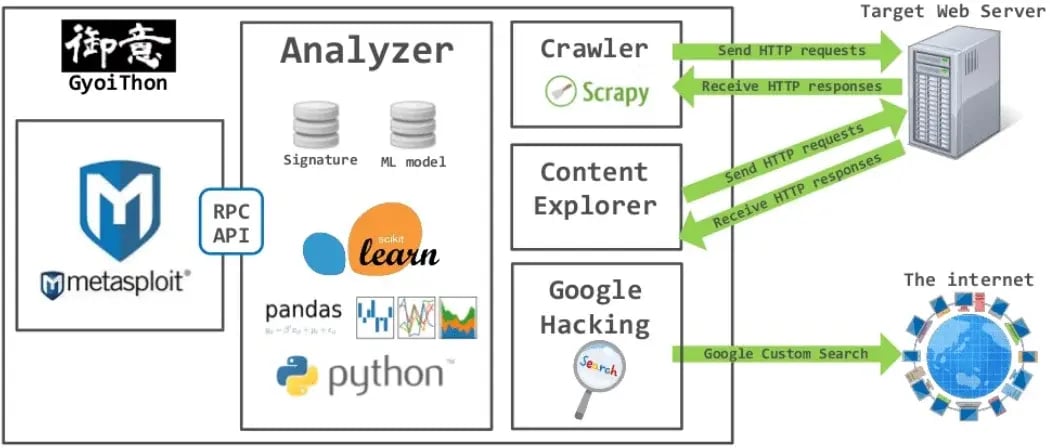
GyoiThon specializes in the reconnaissance phase, one of the most critical steps in pentesting.
Core functions:
-
Technology identification
-
Configuration analysis
-
Integration with exploitation tools
It’s ideal for spotting attack opportunities from the earliest stages.
Read more: What is Penetration Testing as a Service?
10. AutoPentest-DRL – Deep Learning for Offensive Decision-Making
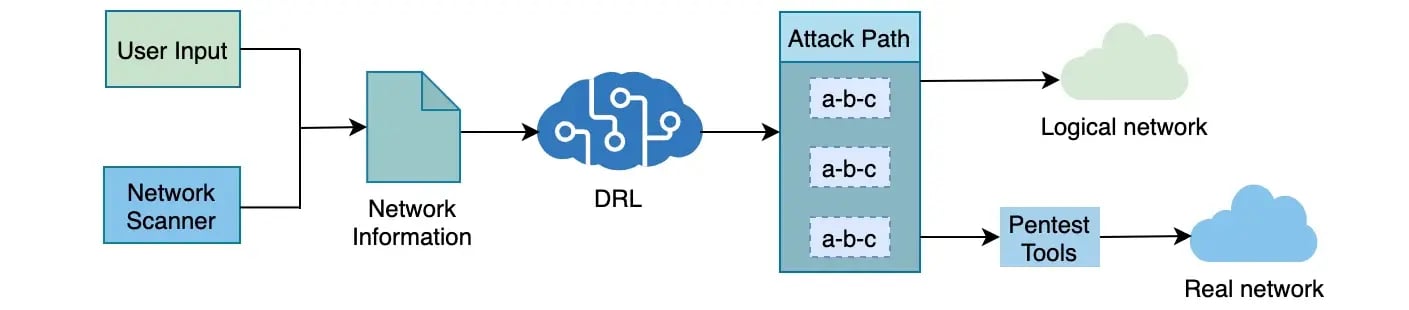
AutoPentest-DRL uses deep reinforcement learning to decide which offensive actions to take based on context.
Key strengths:
-
Dynamic adaptation
-
Advanced automation
-
High effectiveness in complex environments
Though more technical, it represents the future of autonomous pentesting.
How to Choose the Right AI Pentesting Tool
Not all companies have the same needs. Before choosing a tool, consider the following:
-
Team maturity level: Autonomous tools require greater interpretation and control capabilities.
-
Type of environment: Cloud, on-premise, hybrid, or AI-based applications each require different approaches.
-
Integration with existing processes: Compatibility with DevOps and CI/CD is crucial.
-
Human oversight: AI enhances, but does not fully replace, the expert.
Conclusion
AI-powered pentesting tools will continue to grow in power and accessibility, accelerating vulnerability detection—but also making it easier to execute more complex and automated attacks. This increases the threat volume and forces security teams to adapt quickly to a constantly evolving landscape.
The challenge is that many companies lack the time and resources to keep up with attacker tactics, new AI tools, and real-world attack patterns. In this context, professional pentesting is no longer a one-time task—it becomes a core component of any security strategy.
Through our Pentesting service, companies can continuously assess their systems, combining automation, threat intelligence, and human expertise to identify real risks and reduce exposure before it’s too late.