 Phone Scams Impersonating Utility Companies: What to Know" loading="eager">
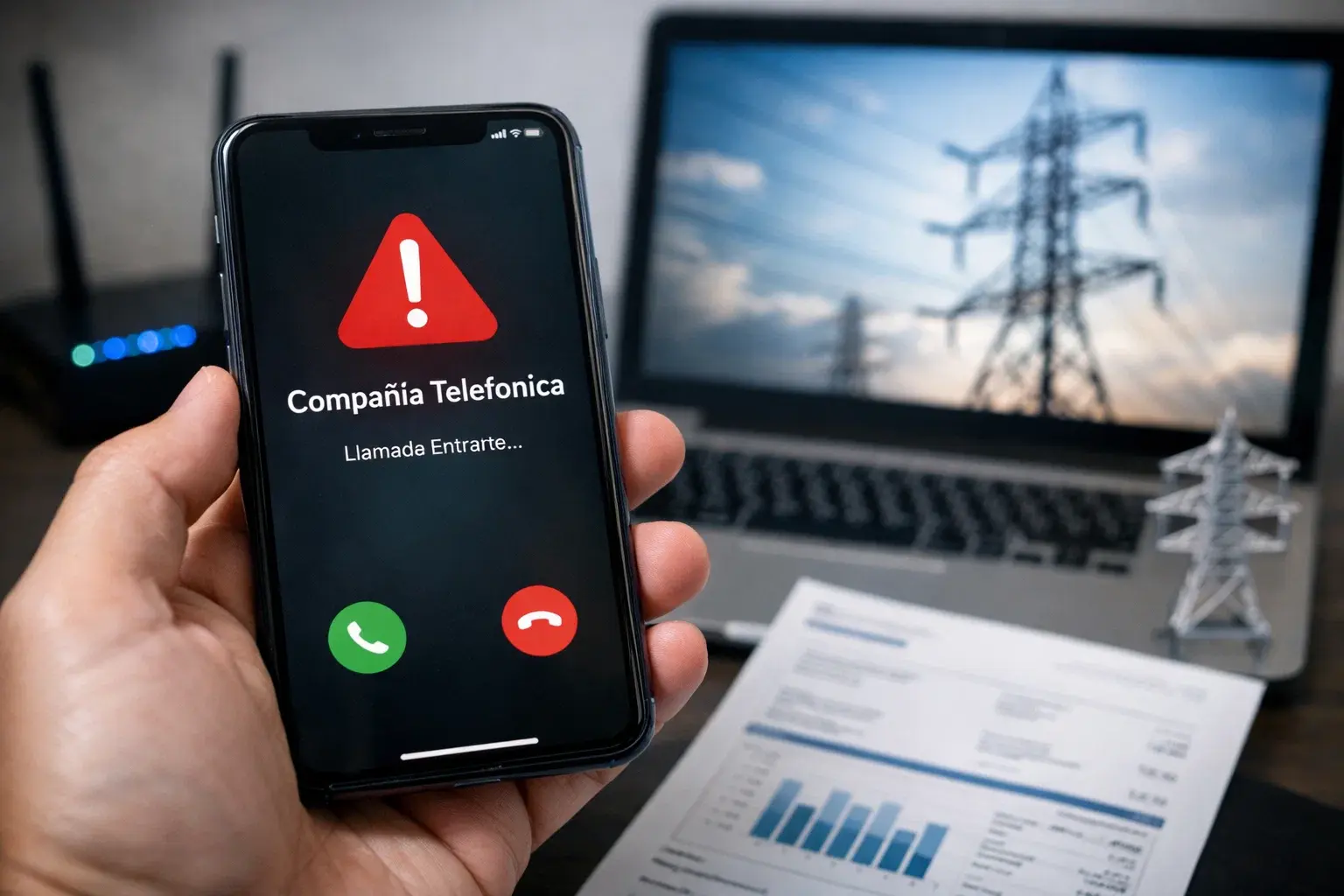
Have you ever received a call from someone claiming to be from your internet provider, warning you about an urgent issue with your router? Or maybe from a supposed energy company offering an immediate plan switch to avoid a price hike? If so, you're not alone. Phone scams impersonating telecom and utility providers have surged in recent years, becoming one of the most effective forms of fraud.
At TecnetOne, we’ll break down why these scams are increasing, how they operate, what criminals are after, and—most importantly—how you can protect yourself, whether you're an individual or a business.
Why Phone Scams Are on the Rise
For a long time, phishing campaigns were mostly done through email or SMS. But people are now more skeptical of strange messages, unknown links, and suspicious senders.
Phone calls, however, still feel personal and credible. Hearing a real person, especially one using professional language and referencing real data about you or your services, lowers your defenses. Cybercriminals know this—and that’s why phone calls are once again a top tool for fraud.
The Root of Many Scams: Stolen Personal Data
Most of these scams have one thing in common: access to your personal information, often acquired through:
- Data breaches in companies or government agencies
- Massive database leaks
- Purchases from Dark Web marketplaces
This data can include your full name, phone number, ID number, email, or details about your current services—making the scam hyper-personalized and more believable.
Why pose as a utility or telecom company? Because everyone has one. This makes these brands the perfect disguise for wide-reaching attacks.
Learn more: How to Keep Your Phone Safe Even Without Updates
Anatomy of the Scam: Key Elements Used
To be effective, a phone scam needs more than just your data. The script must be solid and convincing, often including:
- Impersonation of well-known brands
Fraudsters use recognizable company names and may spoof phone numbers to appear legitimate. - Sense of urgency
You're told there's a payment issue, technical problem, service cut, or price increase. The goal? Make you act fast. - Tempting offers
Sometimes they lure you with unbeatable offers or discounts to avoid price hikes. - Use of real personal data
They cite actual details about you or your account to gain your trust and disarm your skepticism.
Common Scam Variants Seen Today
Recent alerts from authorities and companies point to several active methods:
- The double-call scam
You first receive a call from your “provider” about a price increase. Minutes later, a “competitor” offers you a better deal. Neither is real—they're after your banking info. - The router scam
Someone claims to be from your ISP and says your router is outdated or misconfigured. They then ask for real verification codes (sent to your phone/email) to access your account. - The provider-switch scam
They offer to “help” you switch providers due to a fake issue or offer. What they really want is your account or bank info.
What You Can Do as a Consumer
You are the first line of defense. To reduce your risk, TecnetOne recommends:
- Never share personal, banking, password, or verification info during inbound calls.
- Hang up if you feel pressured or notice inconsistencies.
- Block suspicious numbers and notify your bank if needed.
- Call the real company using official numbers to verify any claims.
- Don’t visit URLs or follow web instructions given over the phone.
- Remember: companies don’t ask for sensitive data via unsolicited calls.
- Ask specific questions only the real company would know—red flags arise when they dodge answers.
Similar titles: New Scam on WhatsApp: Using Cell Phone Cameras to Steal Data
Companies Are Victims Too
These campaigns don’t just target individuals. Telecom and energy companies also suffer from reputational damage, loss of customer trust, and overwhelmed support centers.
That’s why many providers are investing in:
- Public awareness campaigns
- Cyber intelligence to detect scams
- Real-time monitoring and evidence collection
- Law enforcement collaboration and forensics
- Constantly updated detection and response tools
The Role of Training in Organizations
We often associate scams with individuals, but companies are also targets. Think of CEO fraud or calls to finance teams.
Organizations must:
- Train staff on social engineering tactics
- Run phone scam simulations
- Promote a culture of verification
- Set clear protocols for suspicious calls
Testing employees’ responses helps build safer habits and reduce risk.
One Call Is All It Takes
Phone scams impersonating telecom or utility companies are a perfect example of how social engineering is evolving. Criminals now combine stolen data, brand mimicry, and real-time persuasion. A single call can result in financial fraud, identity theft, or unauthorized access to sensitive accounts.
The key is prevention: stay cautious, question urgency, and always verify through official channels.
At TecnetOne, we believe the best defense is a combination of personal awareness, ongoing training, and advanced cybersecurity tools—because these threats aren’t going away anytime soon.