 How to Browse the Web More Sustainably Without Changing Your Habits" loading="eager">
You probably don’t think about it often, but every time you open your browser, load a website, or leave dozens of tabs running, you’re using energy. The internet has become so essential to our daily lives that its environmental impact often goes unnoticed. However, when millions of people browse the same way, the cumulative effect is enormous.
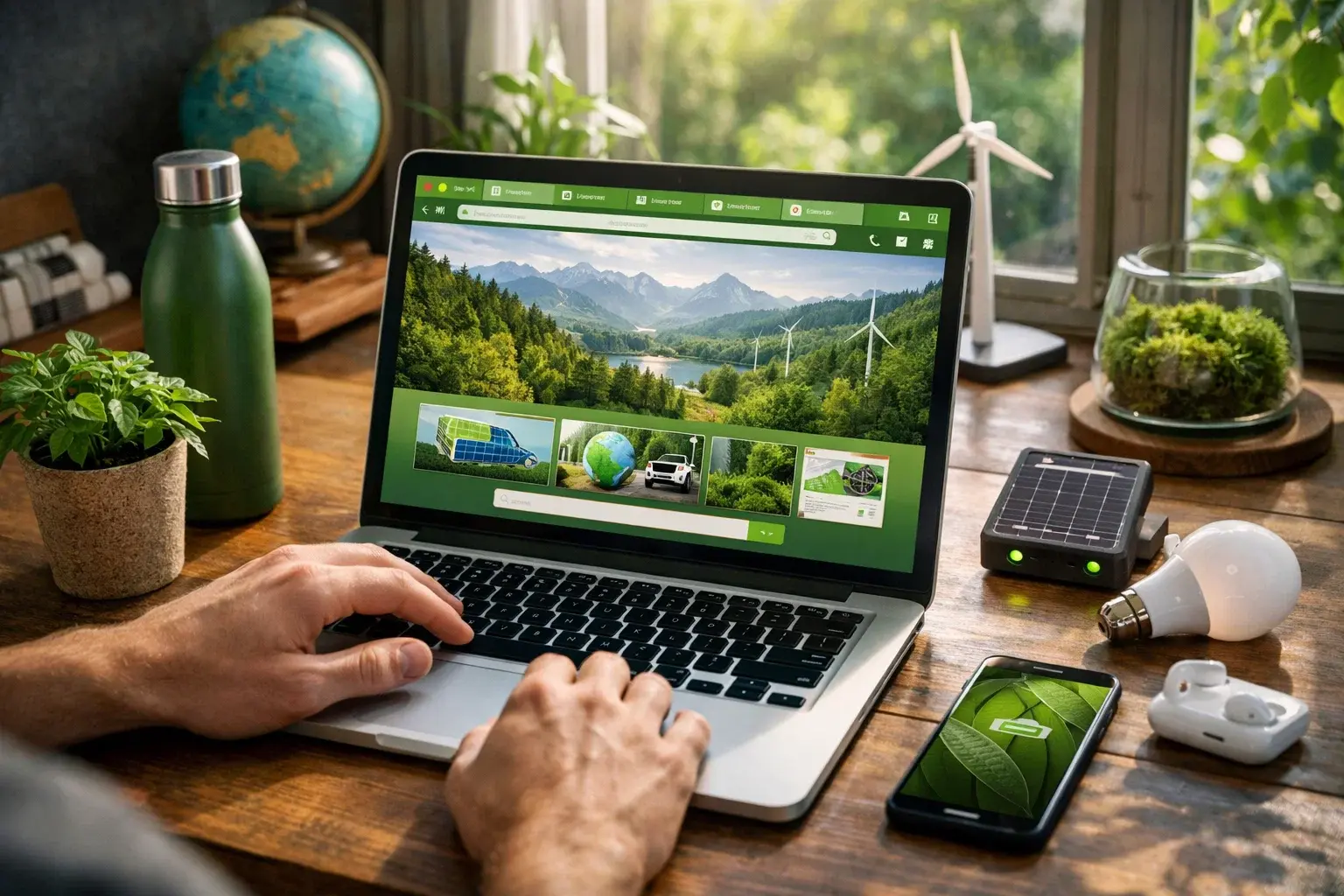
At TecnetOne, we believe digital sustainability doesn’t have to be complicated or require sacrifice. In fact, one of the simplest decisions you can make is to choose a browser designed to reduce environmental impact without affecting your productivity. Here’s what eco-friendly browsing means, why it matters, and how to adopt it without changing the way you work or consume information online.
The Environmental Impact of Something as Everyday as Browsing
When you think about sustainability, your mind probably jumps to transportation, electricity, plastic consumption, or food. Rarely does “digital” make the list. But every click counts.
Web browsing involves:
- Data centers running 24/7
- Constant connectivity between servers and devices
- Loading ads, trackers, and unnecessary scripts
- Background processes that consume system resources
Your browser is likely open for hours. The more tabs, extensions, and elements it loads, the more energy your device—and the entire internet infrastructure—consumes.
Eco-friendly browsing aims to reduce this unnecessary “digital noise” without limiting what you do online.
What Eco-Friendly Browsing Actually Means
A green browser doesn’t ask you to radically change your habits or give up key features. Its goal is to optimize what you already do.
Sustainable browsing is based on three principles:
- Efficiency – doing more with fewer resources
- Reducing unnecessary load – fewer ads, scripts, and hidden processes
- Measurable positive impact – not just promises, but real outcomes
It’s not about browsing less—just browsing smarter.
What Makes a Browser Truly “Green”?
There’s no magic switch that turns a browser eco-friendly. It’s a combination of design decisions and commitments that make the difference.
A sustainability-focused browser typically includes:
- Efficient memory and CPU usage
- Fewer background processes
- Built-in tools to replace heavy third-party extensions
- Ad and tracker blocking
- Transparency around environmental impact
Most importantly: it doesn’t force you to relearn how to browse.
Green Browsers and User Experience: No Compromises
A major barrier to adopting sustainable tech is friction. If a tool makes life harder, people abandon it.
That’s why modern green browsers are designed so that the only difference you’ll notice is better performance.
From the first use, you’ll get:
- A familiar interface
- Clear configuration options
- Compatibility with your workflows
- Easy-to-manage privacy settings
You browse just like always—only now with a lighter footprint.
Fewer Extensions, Lower Resource Consumption
You probably have multiple extensions installed: ad blockers, content managers, productivity tools, readers, and more. Each one adds scripts, permissions, and background activity.
A more sustainable approach is to integrate these features directly into the browser. That means:
- Less memory usage
- Lower CPU load
- Fewer security risks from third-party extensions
When tools are native, the browser can optimize performance globally instead of juggling disconnected components.
Fewer Ads, Less Wasted Energy
Ads don’t just clutter your screen—they consume bandwidth, CPU, and battery. Autoplay videos, animated banners, and trackers load data you don’t need.
Blocking ads and trackers:
- Reduces data transfer
- Speeds up page loading
- Cuts down on device energy use
- Improves your privacy
Less digital noise equals cleaner, more efficient browsing.
Privacy and Sustainability Go Hand in Hand
It may not seem obvious, but privacy and sustainability are connected. Every tracker that follows you generates additional traffic and keeps profiling systems constantly running.
A privacy-focused browser that allows you to:
- Control site-level permissions
- Manage cookies and trackers
- Use private browsing modes
does more than protect your data—it reduces unnecessary digital infrastructure load.
From Digital Efficiency to Real-World Impact
Some browsers go even further, linking daily browsing to measurable environmental actions. The idea is simple: if you browse every day, why not turn that habit into something good?
This model enables your digital activity to support:
- Ocean and river cleanup
- Plastic and waste removal
- Verified environmental initiatives
The key is that the impact is real, transparent, and traceable—not just green marketing.
Similar titles: The Browser: The New Corporate Cybersecurity Battleground
Sustainable Browsing Without Changing How You Work
The real power of modern green browsing is that it doesn’t ask you to change how you work, study, or stay informed. You don’t need to:
- Force yourself to keep fewer tabs open
- Give up essential features
- Learn complex new interfaces
You simply use a better-designed browser.
At TecnetOne, we emphasize that digital sustainability must be practical. Small choices, when multiplied across thousands or millions of users, lead to massive impact.
Small Choices That Scale
Choosing a more efficient browser might feel insignificant on its own. But collectively, the effects are powerful:
- Lower global energy consumption
- Reduced data center load
- Better device performance
- Increased awareness of digital impact
It’s not about being perfect—it’s about being intentional.
The Future of Sustainability Is Also Digital
The internet will keep growing. More devices, more data, more digital dependency. That’s exactly why the choices you make today matter.
Browsing more sustainably isn’t a fad or a burden—it’s a logical evolution of how we use technology. And the best part? You don’t have to change anything about your routine to start.
At TecnetOne, we believe technology can be productive, secure, and responsible at the same time. Choosing more efficient tools is an easy first step toward a lower-impact internet.
Because every click matters—even if you don’t always see it.