 How the Digital Bank Fraud That Stole Millions Worked" loading="eager">
If you think major bank frauds only affect others or faraway companies, this case proves that anyone can be a target. The U.S. Department of Justice (DoJ) recently announced the seizure of a key web domain used in a bank account takeover scheme that resulted in real losses totaling $14.6 million.
At TecnetOne, we explain how the fraud worked, why it’s so dangerous, and—most importantly—what you can do to avoid becoming the next victim, whether personally or as a business.
The Seized Domain: The Fraud’s Command Center
The website web3adspanels[.]org was no ordinary site. It functioned as a backend panel, an internal platform where cybercriminals:
- Stored stolen banking credentials
- Managed illegal access to accounts
- Coordinated fund withdrawals
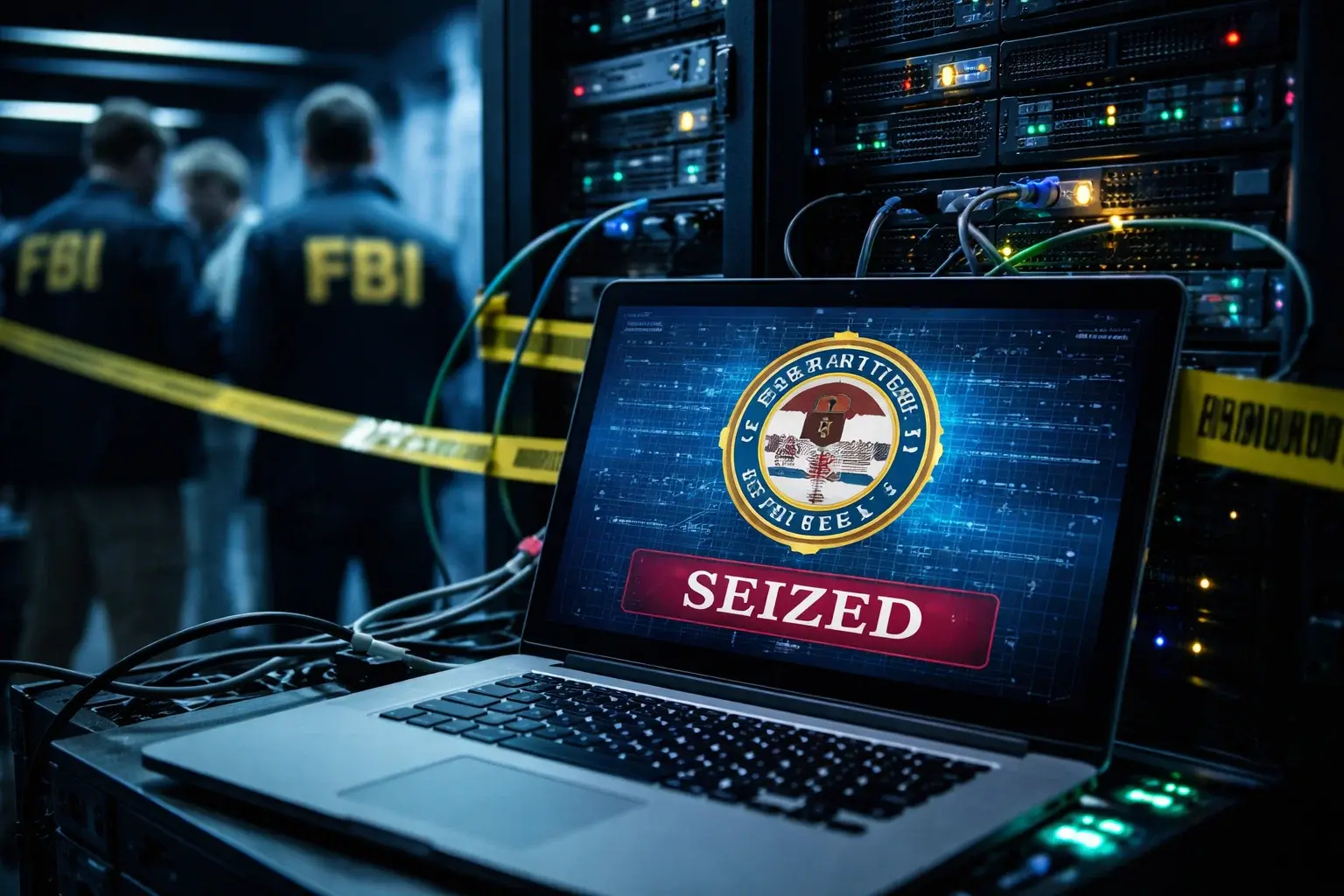
After an international operation led by authorities in the U.S. and Estonia, the domain was seized and now displays an official seizure notice. This is crucial: it shows financial cybercrime is now being tackled globally, not just locally.
The Attack Entry Point: Fake Ads on Google and Bing
One of the most alarming parts of this case is how the attack began. It didn’t involve badly written phishing emails or shady links from strangers. It started with something far more common: sponsored ads on search engines like Google and Bing.
Criminals paid for ads that perfectly mimicked those of legitimate banks—logos, colors, and trust-based language designed to deceive.
When you searched for your bank, you could unknowingly click on a fake ad.
Read more: aU.S. Warns of Iranian Cyberattacks After Joining the Conflict
Fake Banking Sites, Almost Identical
Clicking these ads took you to websites that looked like your bank’s official portal. These pages:
- Used domains similar to real ones
- Copied the bank’s exact design
- Included login forms
Entering your credentials didn’t log you into your bank—it handed your data directly to attackers.
The DoJ confirmed that some of these sites even embedded malware to capture data, even if users didn’t complete the login.
The Final Blow: Taking Over the Bank Account
With your credentials, attackers acted fast:
- Logged into the real banking site
- Changed security settings
- Made transfers
- Quickly drained funds
This kind of fraud is known as Bank Account Takeover (ATO) and is especially damaging because the attack is launched from within, using valid login info.
Real Impact: Millions Lost and Companies Hit
So far, authorities have confirmed:
- 19 direct victims in the U.S.
- $28 million in attempted fraud
- $14.6 million in actual losses
Two victims were companies in Georgia, showing businesses are just as vulnerable. A single compromised login can devastate an organization.
Thousands of Stolen Credentials—Not Just 19 Victims
While 19 victims are confirmed, the DoJ made a worrying revelation: The seized domain stored thousands of stolen banking credentials.
That means many victims still don’t know they were compromised, or attackers may simply be waiting to strike later.
At TecnetOne, we emphasize: credential theft doesn’t always lead to immediate attacks. Sometimes, data is saved, sold, or used months later.
The Bigger Picture: FBI Data
This case isn’t isolated. According to the FBI’s Internet Crime Complaint Center (IC3):
- Since January 2025, over 5,100 complaints have been filed for bank account takeovers
- Reported losses exceed $262 million
The trend is clear: financial fraud is growing in scale, sophistication, and profitability.
Why This Type of Fraud Works So Well
Several factors explain its effectiveness:
Search Engine Trust
People assume ads on Google are safe. Attackers exploit that trust.
Perfect Imitation
Fake sites are now near-identical copies of real ones.
Valid Credentials
No need to hack—users hand over real data themselves.
Speed
Once inside, attackers act fast to avoid detection.
You might also be interested in: Cybercrime in the U.S.: A Record $16 Billion Lost in 2024
What You Can Do to Protect Yourself Today
At TecnetOne, we recommend these essential steps:
- Always check the URL – Look closely. One wrong letter can be a trap.
- Avoid clicking on sponsored ads – Bookmark your bank’s official site instead.
- Use strong, unique passwords – Never reuse passwords across services.
- Enable multi-factor authentication (MFA) – It’s one of the best defenses.
- Monitor your accounts frequently – Check activity and security settings often.
- Be skeptical of urgent messages – Many frauds use urgency and fear to rush you.
What Companies Must Do
If you run a business, the risk is even higher. A single compromised account can threaten:
- Finances
- Reputation
- Operations
- Customer trust
It’s critical to implement:
- Zero-trust access policies
- Ongoing employee training
- Phishing and ad fraud protection
- Behavioral and login monitoring
Final Thoughts: Digital Fraud Isn’t “Obvious” Anymore
This case shows one key truth: modern cybercrime hides in plain sight. It looks like normal ads and everyday tasks.
The DoJ’s domain seizure is a major win, but the threat remains. More domains, new campaigns, and more realistic attacks will come.
The best defense is a mix of secure technology, smart habits, and digital awareness.
At TecnetOne, we believe understanding how these attacks work is the first step to staying safe. Because today more than ever, digital security starts with you.