A cybersecurity audit is a structured review of a company's systems, networks, processes and people that identifies vulnerabilities and measures how mature its controls are, so you can decide what to fix first. If your operation depends on email, cloud services, applications and customer data, this assessment is the most direct way to know where you stand and which risks you may be carrying without realizing it.
At TecnetOne we see it every day: many organizations invest in tools and licenses but have no real baseline. They end up patching blindly, reacting late or spending where it isn't needed. An audit (also known as a cybersecurity assessment) brings order to that: you measure first and invest afterward.
What is a cybersecurity audit?
A cybersecurity audit, also called an IT security audit or a cybersecurity assessment, is a methodical analysis of how well an organization's systems, networks, processes and people are protected against internal and external threats. To do this, it compares your controls against best practices and frameworks such as ISO 27001, the CIS Controls or the NIST Cybersecurity Framework.
In practice, it serves four purposes:
- Identify vulnerabilities, both technical and operational, before someone takes advantage of them.
- Detect gaps in policies, configurations and controls.
- Measure the maturity of your security posture: how solid or improvised it is.
- Set priorities: what to fix first, what can wait and what is critical.
Cybersecurity audit or cybersecurity assessment?
A formal audit (a certification audit, for example) validates your compliance against a standard and ends in a verdict: you pass or you don't. A cybersecurity assessment is more flexible and practical. Its purpose is to give you an accurate picture of your level of protection so you can build an improvement plan. Most companies start with an assessment and move on to a formal audit when a standard, an enterprise customer or a regulator requires it.
Types of cybersecurity audits
Audits differ in what they review. These are the most common types and what each one is for:
- Internal audit: carried out by your own IT or security team. It helps keep controls up to date and prepares you before an external review, although it inherits the blind spots of the people who run the systems every day.
- External audit: performed by an independent third party. It brings objectivity, experience from other environments and credibility with customers, partners and regulators.
- Compliance audit: verifies that your controls meet a specific standard such as ISO 27001, PCI DSS or SOC 2. When the goal is certification, the final verdict is issued by an accredited certification body.
- Technical audit: puts your defenses to the test with offensive methods, such as vulnerability scanning and pentesting (penetration testing), where ethical hackers try to exploit your systems in a controlled way.
- Physical and logical security audit: reviews both physical access to facilities and equipment (server rooms, servers, devices) and logical access to systems and data (accounts, permissions, authentication).
- Network audit: focuses on the architecture and configuration of your network, including segmentation, firewalls, internet-facing services, wireless networks and remote access.
A complete assessment usually combines several of these approaches in a single engagement, tailored to the size and risk profile of each company.
What does an IT security audit review?
Although the scope varies from company to company, six areas are almost always evaluated because they are the ones that fail most often in real life:
1. Access and identities
The audit checks whether your users have the right permissions, whether there are shared or orphaned accounts, whether you use multifactor authentication (MFA), whether anyone has more privileges than they need and how you handle onboarding and offboarding.
2. Infrastructure and configuration
It analyzes which services are exposed, pending patches, the configuration of firewalls, endpoints, servers and cloud, and any assets published on the internet without oversight.
3. Backups and business continuity
For backups, the audit looks at whether they are isolated, whether they are tested regularly, whether there is a disaster recovery plan and how quickly you can get back to operating.
4. Incident detection and response
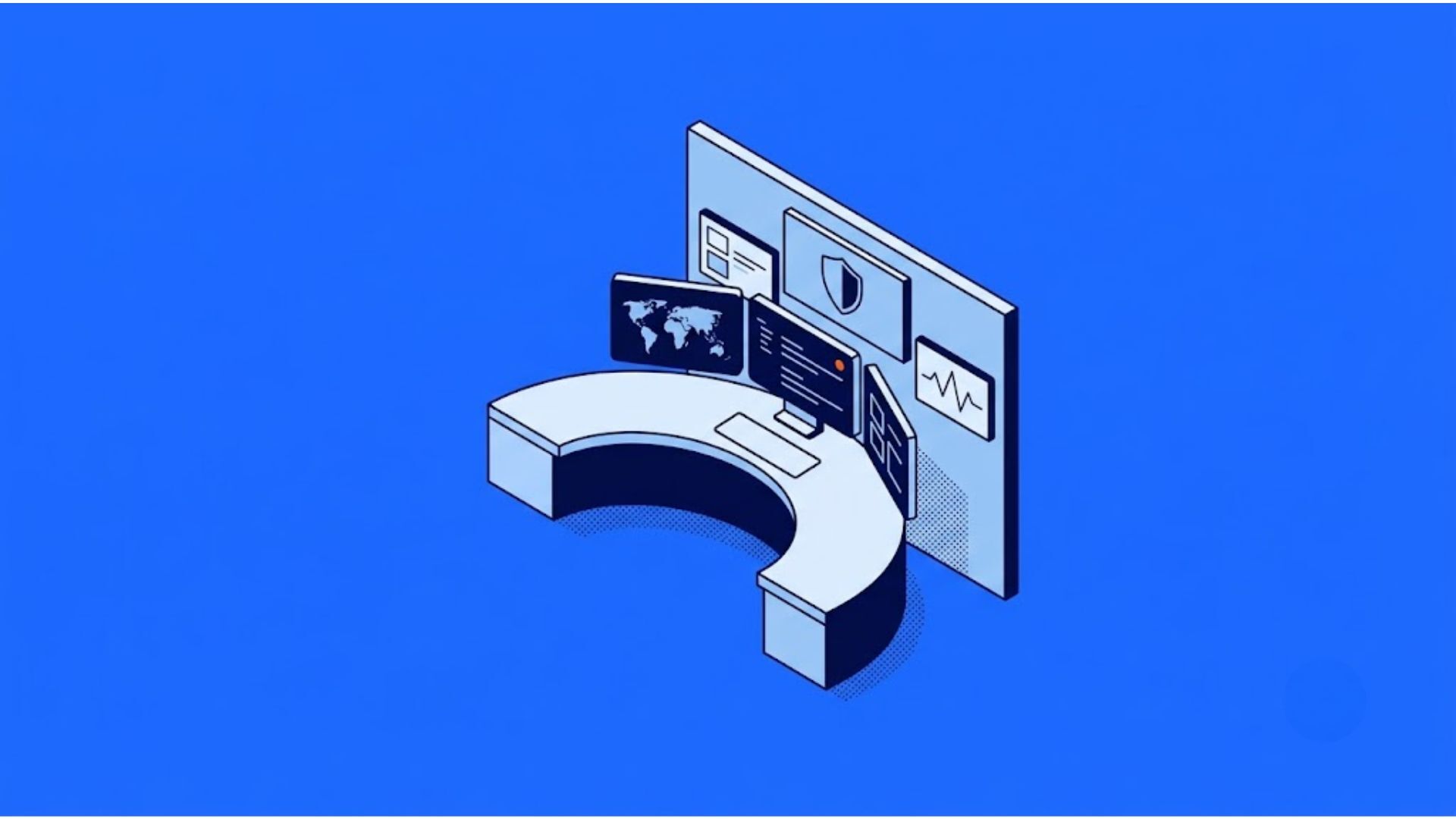
It verifies whether you have monitoring and alerts (for example, a security operations center, or SOC, watching your operation 24/7), logs, procedures, defined owners and a clear plan to respond without improvising.
5. Culture and training
Human error remains one of the most common ways in: phishing, weak passwords, social engineering. If your team doesn't know what to avoid, technology alone falls short.
6. Regulatory compliance and evidence
If you are subject to requirements from enterprise customers, regulations or certifications, the audit reviews whether you can back up your controls, policies and practices with evidence.
How to conduct a cybersecurity audit step by step
If you are wondering how to run an IT audit at your company, the process follows six steps:
- Define the scope and the goal. Decide what gets audited (systems, locations, processes, vendors) and why: to reduce risk, to prepare for a certification or to meet a customer requirement.
- Inventory your assets and access. You can't protect what you don't know you have: devices, servers, applications, accounts, sensitive data and cloud services.
- Compare your controls against a framework. ISO 27001, the CIS Controls or NIST serve as a yardstick for spotting gaps objectively.
- Run technical tests. Vulnerability scanning and pentesting confirm which weaknesses can actually be exploited in practice.
- Rank the findings by risk. Each finding is prioritized by impact and likelihood: what could halt your operation, what exposes data and what is acceptable for now.
- Turn the results into a remediation plan. With owners, deadlines and follow-up verification. An audit that ends up as a PDF in a folder delivers no value.
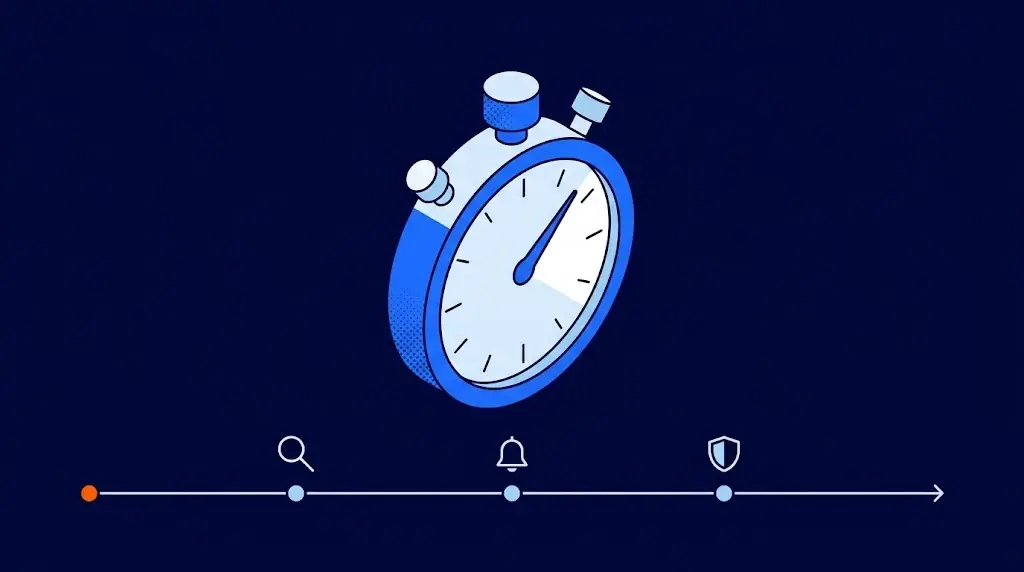
At TecnetOne we usually recommend organizing the results in three layers: critical risks (what needs attention right away), priority improvements (what reduces risk quickly with reasonable effort) and maturity (what moves you to a more solid and consistent level).
Cybersecurity audit checklist
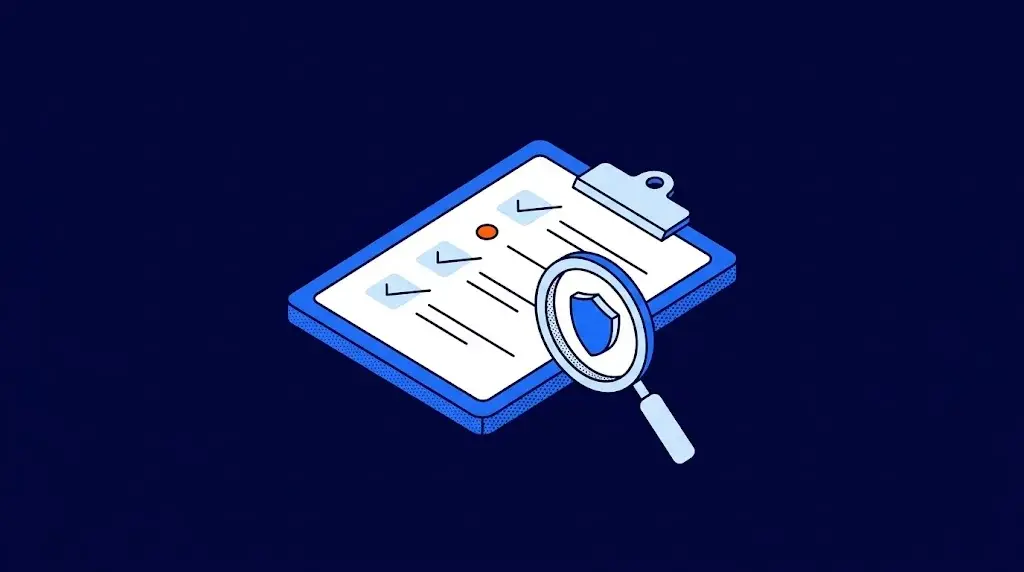
Use this list as a starting point to evaluate your current posture. Any item you can't answer with confidence is a potential finding:
- Do you have an up-to-date inventory of devices, systems, applications and sensitive data?
- Does all critical access (email, VPN, administration) require MFA?
- Are there accounts belonging to former employees or vendors that are still active?
- When was the last time you tested restoring a full backup?
- Do your servers and endpoints receive patches within a defined time frame?
- Do you know which of your company's services are exposed to the internet?
- Is anyone monitoring your systems and alerts outside business hours?
- Is there an incident response plan with defined owners?
- Does your team receive regular training on phishing and social engineering?
- Can you demonstrate your controls with evidence to a customer or an auditor?
- Have you run a vulnerability assessment or a pentest in the last 12 months?
- Do your vendor contracts include security requirements?
Why your company needs a cybersecurity assessment
The reasons are practical.
-
Because attacks keep growing and diversifying. Beyond viruses, companies now deal with ransomware, credential theft, fraud, supply chain attacks, data leaks and misuse of legitimate access. Knowing your risks lets you make decisions based on data.
-
Because hybrid work and the cloud widen the points of entry. When your operation no longer lives inside one office, access points multiply: laptops, mobile phones, home networks, SaaS applications, integrations and vendors.
-
Because regulations keep moving. Data protection and security requirements keep rising: state privacy laws such as the California Consumer Privacy Act (CCPA), HIPAA for health information, the Gramm-Leach-Bliley Act (GLBA) for financial institutions and PCI DSS if you process card payments. If you handle personal data or sensitive information, you have responsibilities regardless of your company's size.
-
Because it helps you invest better. An assessment helps you avoid the classic mistake of buying tools because they are trendy or because someone is pushing for them, while the basics remain unsolved. With a clear baseline, you invest where it truly reduces risk.

Frequently asked questions about cybersecurity audits
If your company handles personal, financial or confidential information, auditing your security posture is the most direct way to know how well protected you really are.
A cybersecurity audit lets you stop guessing and build a real strategy around clear priorities. The goal isn't perfection. It's to become a harder target and to recover faster if something does happen.